
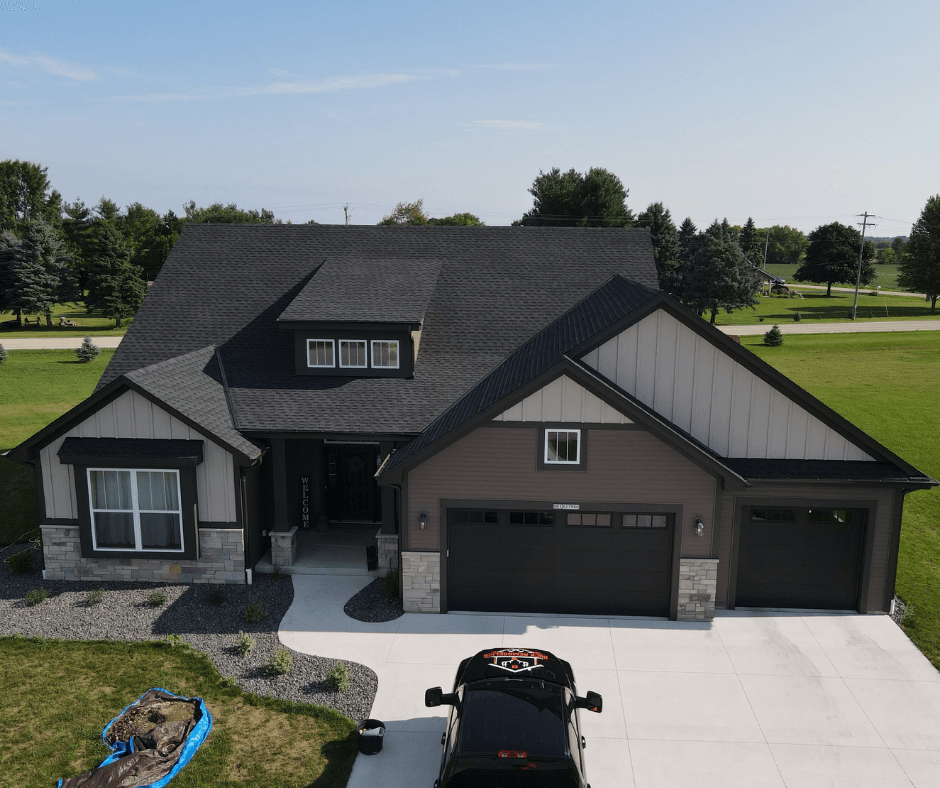
Planning a roof replacement this fall? Preparing your home before the crew arrives can help protect your belongings, improve job-site access, and keep communication clear throughout the project.
Homeowners in Waukesha, Brookfield, Pewaukee, New Berlin, Muskego, and surrounding Southeast Wisconsin areas should also plan for changing fall temperatures, shorter daylight hours, and unpredictable rain. Use this practical roof replacement checklist to prepare your home from the attic to the driveway.
1. Schedule a Professional Roof Inspection and Estimate
Start with a professional inspection. A qualified roofing contractor can evaluate the roof’s shingles, flashing, ventilation, decking, and other components before recommending replacement.
During the inspection, ask the contractor to explain:
- The current condition of your roof
- Whether roof decking may need repair or replacement
- The condition of flashing around chimneys, skylights, and vents
- Whether attic ventilation needs attention
- Which materials and installation methods are appropriate for your home
- How the crew will protect your landscaping and exterior surfaces
- How debris, old shingles, and other materials will be removed
Request a detailed written estimate. It should identify the scope of work, proposed materials, ventilation work, flashing details, cleanup procedures, payment terms, and any potential allowances.
Transparent pricing helps you understand the project before work begins. Buck Remodeling provides free estimates and clear project communication for homeowners throughout Southeast Wisconsin.
For more guidance, read How to Choose a Roofing Contractor in Waukesha, WI.
2. Choose Roofing Materials Before Installation Day
Do not wait until installation day to select your roofing materials. Make decisions about shingle style, color, ventilation products, flashing, and other visible details in advance.
Your contractor can help you compare options based on:
- Roof slope and home design
- Local weather conditions
- Desired appearance
- Manufacturer specifications
- Available warranties
- Compatibility with existing siding, trim, and gutters
Asphalt architectural shingles are a common choice for Southeast Wisconsin homes because they are available in many colors and profiles. Your contractor may also discuss impact-resistant or other specialty products depending on your property and project goals.
Buck Remodeling is a GAF Certified Plus contractor and uses quality materials selected for reliable residential installation. Ask for product details and warranty information in writing before approving the project.
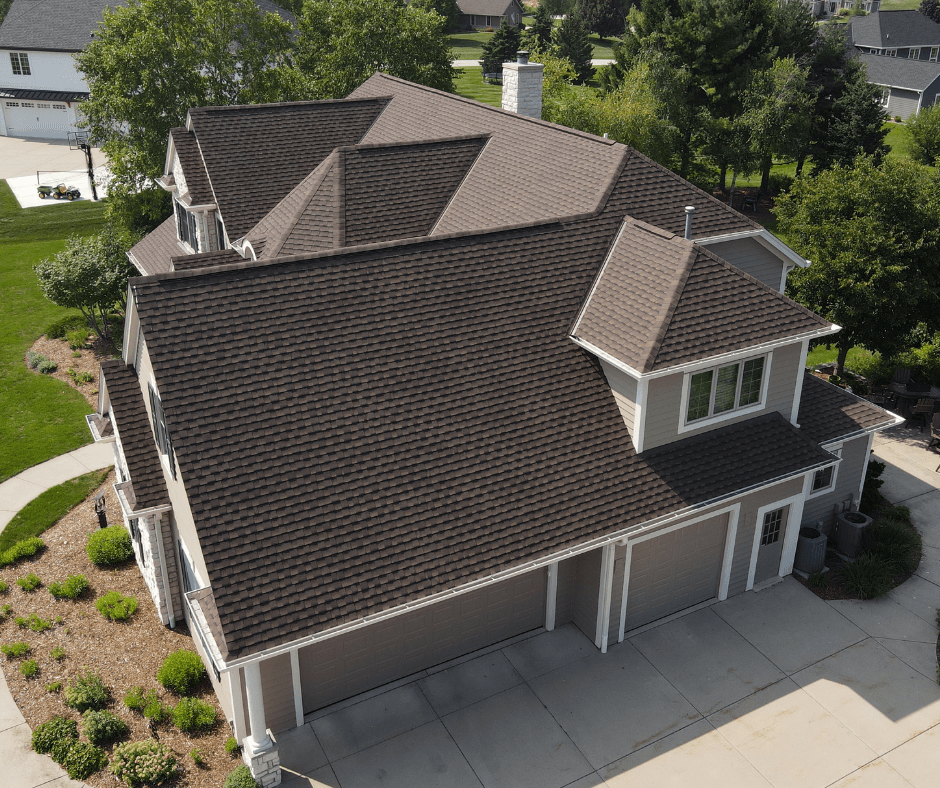
3. Confirm the Project Schedule and Job-Site Plan
Before work begins, confirm the project details with your contractor. Fall weather can change quickly, so clear communication is especially important.
Ask about:
- Planned start date and expected work sequence
- Daily start and stop times
- Material delivery date
- Dumpster placement
- Driveway and garage access
- The primary on-site contact
- Weather-delay procedures
- Temporary protection if work pauses overnight
- Daily and final cleanup
If you live in an HOA community, review any requirements related to roofing colors, material types, work hours, street access, or permits. Your contractor can help identify which project details need additional coordination.
A professional contractor should also explain how the crew will protect siding, windows, doors, landscaping, air-conditioning equipment, and other exterior features.
4. Prepare the Attic
Roof tear-off and installation can create vibration, dust, and small debris. Prepare the attic even if it is unfinished.
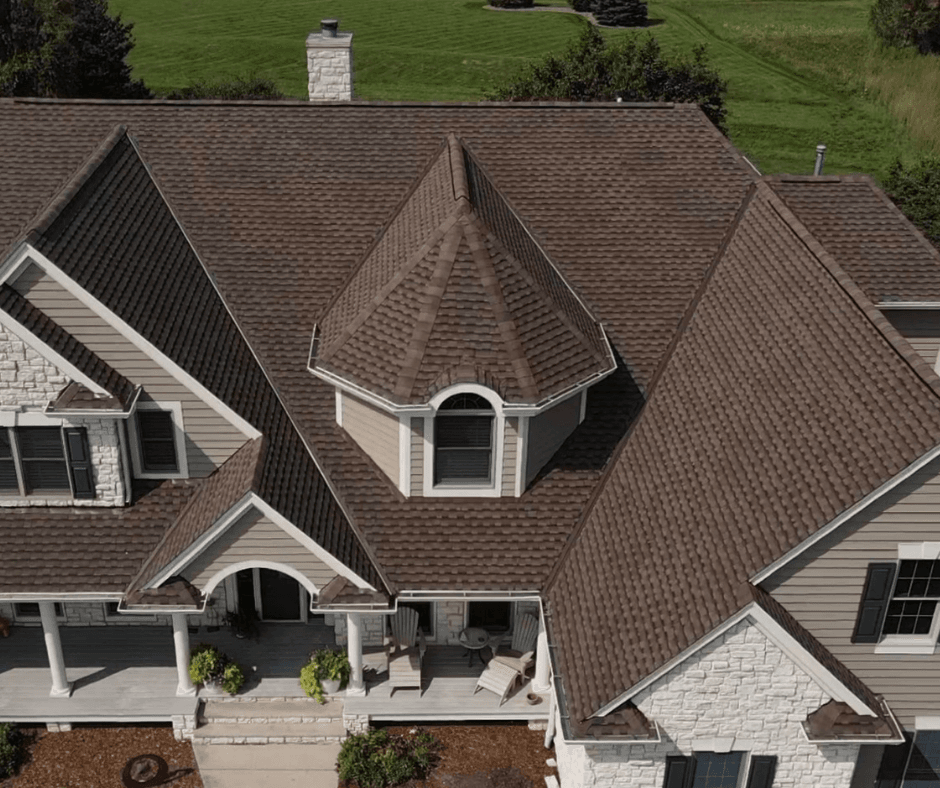
Use this attic checklist:
- Move fragile or valuable items out of the attic.
- Cover remaining boxes and stored belongings with plastic sheeting or drop cloths.
- Place a drop cloth on the attic floor if the space is used for storage.
- Photograph existing water stains, daylight, or other concerns before work begins.
- Make sure the contractor knows about any finished attic areas.
- Ask whether the crew needs access to attic vents, insulation, or framing.
You do not always need to empty the entire attic. Focus on protecting items that could be damaged by dust, vibration, or small debris.
If you notice moisture, mold, wet insulation, or visible daylight before the project, mention it during the inspection. These conditions may affect the scope of work.

5. Protect Interior Belongings
Roof installation creates movement across the roof deck. That vibration may affect items attached to walls or stored on upper floors.
Before the crew arrives:
- Remove pictures, mirrors, artwork, and decorative plates from upper-floor walls.
- Secure or temporarily empty fragile cabinets and display cases.
- Remove delicate items from shelves near exterior walls.
- Cover furniture near exterior walls with lightweight drop cloths.
- Secure glass light fixtures and ceiling fan components.
- Close windows during tear-off to help limit dust.
- Keep children and pets away from work areas.
Pay special attention to rooms directly beneath the roof. If you have wall-mounted electronics or valuable artwork, ask the contractor whether they should be removed temporarily.
For additional preparation guidance, review the GAF homeowner roof project checklist.
6. Clear the Driveway and Exterior Areas
Roofing crews need room for workers, equipment, material deliveries, and waste removal. Clear the driveway before the project begins.
Complete these steps:
- Move vehicles out of the driveway.
- Remove bikes, toys, tools, and other loose items.
- Clear the garage entrance if you need regular access.
- Move patio furniture, grills, planters, and decorations away from the home.
- Take down hanging plants, wind chimes, flags, and seasonal decorations.
- Mark sprinkler heads, low-voltage lighting, and other hidden yard features.
- Point out delicate landscaping or exterior features to the project manager.
- Move or protect yard art, birdbaths, and other breakable items.
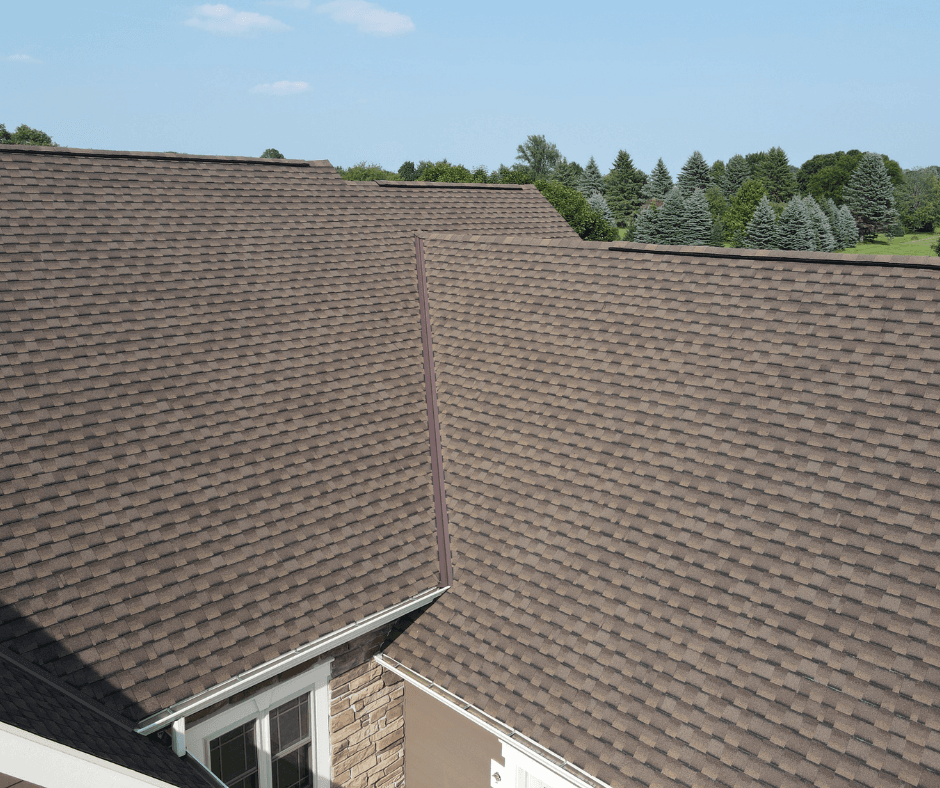
If possible, mow the lawn before installation. Shorter grass can make it easier to identify and remove small debris during final cleanup.
Take photos of the driveway, walkways, siding, windows, and landscaping before work begins. These photos document existing conditions and give you a useful project record.
7. Plan for Fall Weather in Southeast Wisconsin
Fall is often a practical season for roof replacement, but weather conditions still need to be considered. Rain, strong winds, sudden temperature changes, and shorter daylight hours may affect the work schedule.
Ask your contractor:
- How are weather delays communicated?
- What happens if rain arrives during tear-off?
- How will exposed areas be protected?
- Will the crew adjust work hours as daylight changes?
- What conditions require the project to pause?
- How will materials and debris be secured if wind develops?
Do not pressure a crew to work in unsafe conditions or during weather that could affect installation quality. A reliable contractor will monitor conditions and explain schedule changes clearly.
Buck Remodeling serves homeowners in Waukesha, Brookfield, Pewaukee, New Berlin, Muskego, and surrounding Southeast Wisconsin communities with local knowledge of regional weather and home construction needs.
8. Review Safety and Communication Details
Roof replacement is noisy and involves elevated work, tools, equipment, and falling debris. Make a plan for your household before installation begins.
Keep these items in mind:
- Arrange a safe location for children and pets during the loudest work.
- Keep gates closed or confirm access instructions with the crew.
- Tell the contractor about alarm systems, irrigation controls, or other sensitive equipment.
- Notify nearby neighbors about expected noise and delivery activity.
- Keep walkways and work zones clear.
- Use the agreed-upon contact method for questions and updates.
Clear communication prevents confusion before, during, and after the installation. Ask questions early rather than waiting until the crew is on-site.
9. Complete a Final Cleanup and Project Review
After installation, walk the property with your contractor or project manager. Review the completed work against the signed estimate.
Your final checklist should include:
- Roofing debris removed from the roof and property
- Driveway, walkways, and landscaping checked for leftover materials
- Magnetic nail sweep completed around the home
- Gutters and downspouts cleared of roofing debris
- Attic checked for dust or small debris
- Flashing and roof penetrations reviewed
- Ventilation work confirmed
- Any damaged decking or agreed repairs documented
- Dumpster and remaining materials removed
- Permits or inspections addressed, when applicable
- Warranty documents and project records provided
Keep your contract, estimate, product information, warranty documents, inspection records, and receipts in one safe location.
Why Choose Buck Remodeling for Your Roof Replacement?
Buck Remodeling is a locally owned, licensed, and insured remodeling and exterior services company serving Southeast Wisconsin. As a GAF Certified Plus contractor, Buck Remodeling follows manufacturer training and installation standards while providing quality materials and professional project support.
Homeowners can expect:
- Free estimates
- Transparent pricing
- Clear communication
- Quality roofing materials
- Careful job-site preparation
- Professional cleanup
- Local service in Waukesha, Brookfield, Pewaukee, New Berlin, Muskego, and surrounding areas
Whether you are replacing an aging roof or preparing for another Southeast Wisconsin winter, a detailed plan helps you approach the project with confidence.
Request a free roofing estimate from Buck Remodeling | Review roof installation services | Call (262) 589-8858

